Knowing how to iron clothes is all about knowing the specific needs of the fabric they are made from. Linen, polyester, silk, and satin each have different types and thicknesses of fiber, meaning that they can require different levels of heat to achieve a smooth finish. Every piece of clothing you own will have a care label sewn into it that highlights the ironing temperature required. We have also put together a quick reference guide of the key points below.
How to iron linen
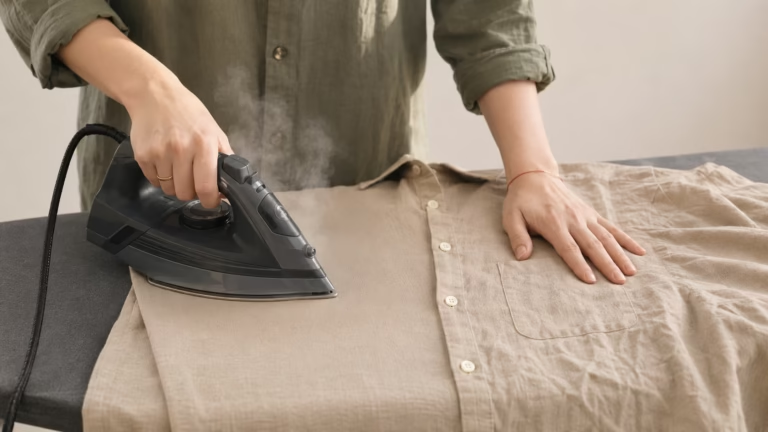
Linen is ironed at 450°F if you have a regular hand-held iron because it responds well to high heat:
- Relax the fibers with a light application of a mist spray
- Turn the garment inside out to avoid the risk of shiny spots
- Use the steam setting while applying firm pressure in a continuous motion
- Make sure to hang it straight after to prevent troublesome rewrinkling
How to iron satin
The temperature selected on your iron has to be low, generally 230°F, but the exact temperature will vary depending on the weave. For example, polyester satin needs 300°F. Double-check the label to be sure, then follow these steps:
- Turn your garment inside out and apply a light mist spray
- Select a low-heat setting that matches the weave on the care label
- Pressing clothes will help contain the heat between the iron and fabric
- Use only very light pressure in a smooth, even motion across the fabric
- Hang right away so that the fabric doesn’t have a chance to rewrinkle
How to iron silk
One of the trickier things about learning how to iron clothes is knowing that lightly misting silk is actually the wrong thing to do. It will leave water spots and ruin your garment, so rather than taking a risk, follow these steps:
- Turn your silk garment inside out to protect it from the iron’s heat
- Never work above 230 °F to avoid damaging the delicate threads
- Always deselect the steam setting on the iron to avoid water marks
- Use a dry pressing cloth such as a cotton handkerchief and press gently
- Work in a smooth motion and then hang straight away so it can cool
How to iron polyester
Polyester garments may melt if they get hotter than 320°F, so setting the iron at 270°F to 300°F, depending on the manufacturer’s manual, is important. Now you can follow these simple steps:
- Turn the garment inside out and apply a gentle mist spray
- Make sure the steam setting on your iron is turned off
- Use a smooth, continuous motion with light pressure
- Hang as soon as you’re done so it can cool and stay smooth
How to iron delicate elements
Many shirts and dresses have delicate elements such as transfers, prints, and embroidered areas that may require extra attention. As they are easily damaged, we would strongly recommend the following approach:
- Turn the garment inside out before lightly misting the surface of the fabric
- Choose a low-heat setting on your iron with reference to the care label
- Use a cotton pressing cloth to contain the heat between the fabric and soleplate
- Focus on applying very light pressure in a smooth, continuous motion
- Avoid touching the delicate elements directly with the iron, even for a brief moment
Selecting the right temperature for every fabric
Knowing how to iron clothes is about combining the right technique with a safe and suitable temperature for the specific fabric. Rather than trying to memorize temperatures and force yourself to try and identify blends by eye, it is much simpler and safer to check the care label. A quick check can take no more than a few seconds and save you having to repair or replace costly damage to one of your favorite items of clothing.
If you would like to learn more about how to read care labels, FTC, the Federal Trade Commission, has a useful online guide on fabric care symbols. You may find that the additional clarity and background information it provides makes you feel more comfortable ironing delicate elements and sensitive fabrics.
Frequently asked questions
- How soon should you hang a garment after ironing?
Hang every garment right away so that it can cool evenly in the air and avoid re-wrinkling, which will only mean another trip to the ironing board. Having a couple of spare hangers ready will help you stay organized.
- What’s the best way to go about delicate fabrics?
Using an automatic ironing machine can help to smooth all types of delicate fabric across all common garment sizes. Water vapour is used to combat the creases, allowing you to protect delicate fabrics and elements from the direct heat that would otherwise be applied by your regular hand-held iron.
- How do you iron silk without burning it?
Silk needs to be ironed at 230°F or less, without a misting, without the steam setting selected, and always with very gentle downward pressure. Continuous movement to create a smooth gliding motion is essential, while the use of a cotton pressing cloth is highly recommended.
- How do you iron polyester without ruining it?
Use light pressure and a smooth, gliding motion that works gently across the surface of the fabric. The iron should be set between 270°F and 300°F, with the specific temperature dictated by the care label of the garment you are ironing. Temperatures of 320°F and above can cause polyester to melt, resulting in irreversible damage.
- How to iron an expensive linen shirt safely?
Linen responds well to steam and high temperatures of around 450°F. A smooth, gliding motion is essential, as always when manually ironing, and downward pressure can be applied to correctly aligned folds and edges when you want to create a sharp formal crease. Refer to the shirt’s care label for the specific temperature to use.