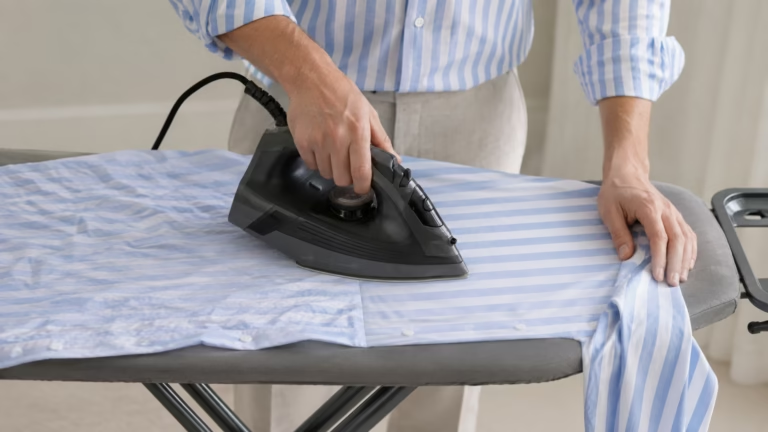
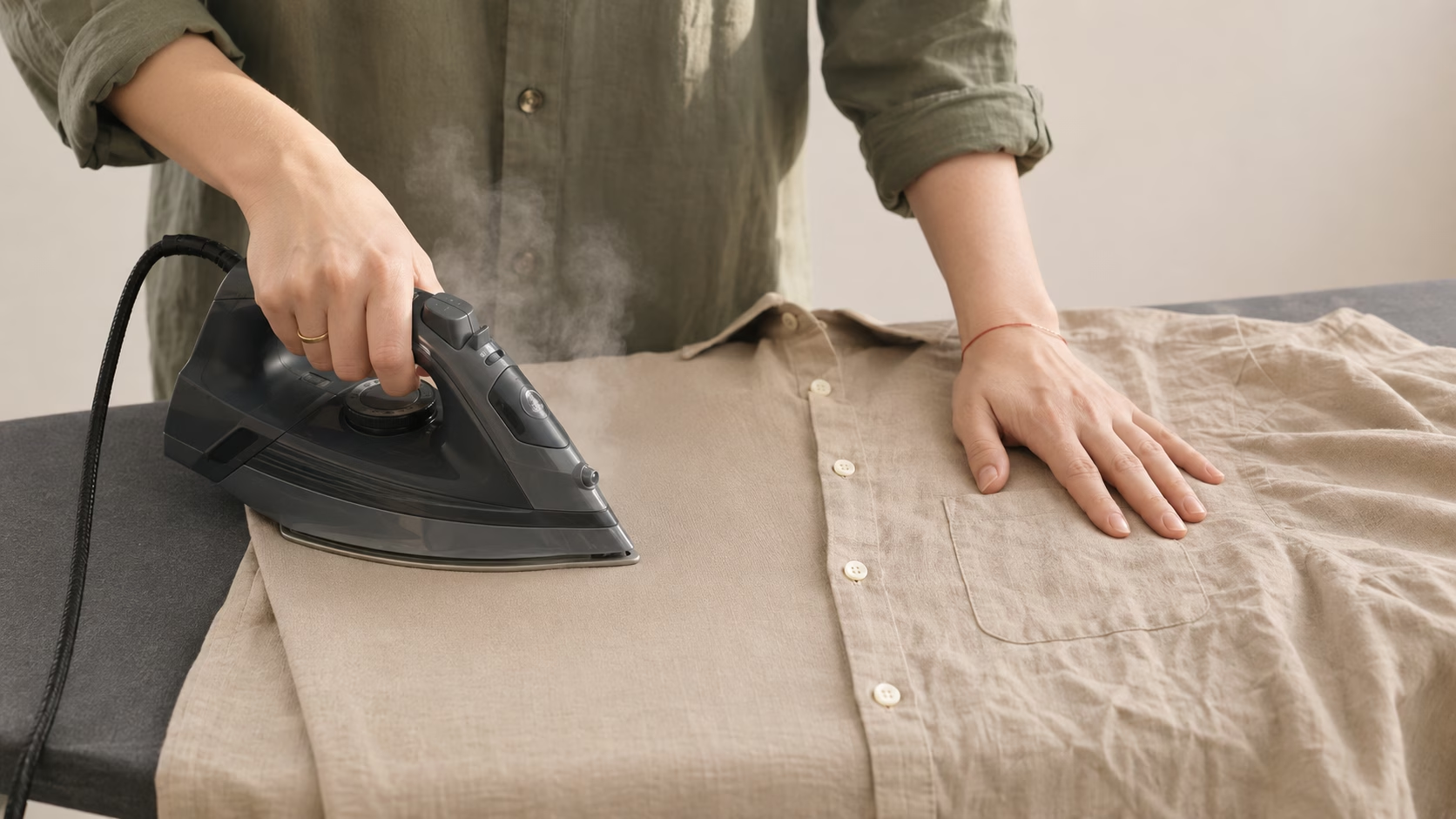
When you know how to iron linen, you can create the crisp, neat, and wrinkle-free look that you’re aiming for. Ideal when you want to create the perfect first impression the right way. The trick is to only iron linen that is lightly damp so that you can help the fibers to relax, and to always make sure the soleplate on your iron is clean and free from debris. Work from top to bottom in a smooth, continuous motion, taking care to glide rather than stall to avoid creating shiny patches.
How to iron linen by preparing properly
You need a firm, even, and level surface on which to work, and that could take the form of a dining table or worktop if you don’t have a dedicated ironing board. Alongside that, you will need to make sure your iron has a clean soleplate, that the reservoir has been recently flushed out, and that you use distilled water, not tap water. Once you have all of that ready, it’s time to check the most overlooked detail the smart way.
Always read the label before ironing your linen clothing
Most irons will have a high-heat option that is perfect for linen. This is because it is a fabric that responds well to the right combination of high temperature and firm pressure. However, in the interests of safety, you should always read the label before turning on your iron. For example, you may find that the manufacturer of the garment in question recommends a slightly lower heat due to the garment having delicate embroidery or transfers. Check before the iron heats up, and you won’t have to wait for it to cool back down.
Two simple tricks for ironing any linen clothing
The first trick is to always work with linen that is lightly damp. You don’t want it to be soaking wet straight out of the washer because you won’t be able to iron it properly. And you don’t want to have it completely dry, like it is ready to fold away, because it won’t relax when you apply the heat of the iron. The sweet spot lies somewhere in the middle, and a light mist spray will achieve the light level of damp that you need. The best thing to do is invest in a dedicated spray bottle so that you can fine-tune your approach and find what works best for how you like to iron and the specific thicknesses of your various clothes.
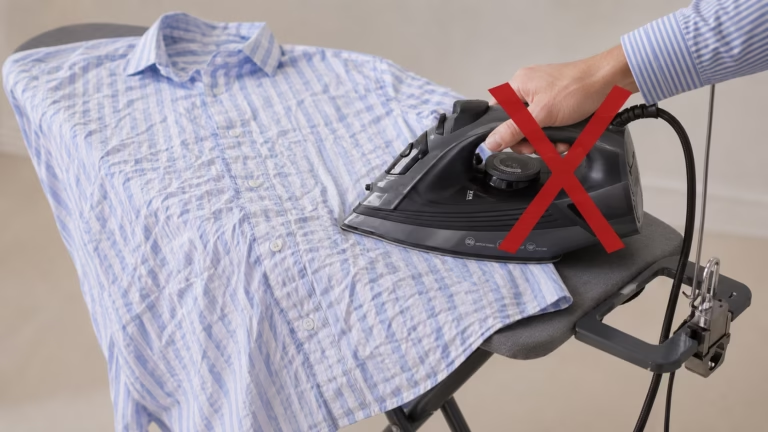
Secondly, you want to always remember that linen can be damaged by stalling with the iron, even though it responds well to high heat when ironing. Linen may cope better with heat than something far more delicate like silk, but there is, of course, an upper limit to how much heat it can handle. Leaving the iron in one spot will cause the temperature in that spot to increase rapidly, quickly burning or shining up the fabric in a way that you won’t like. To help give yourself more leeway, turn your attire inside out. You then work from top to bottom in a smooth motion, taking care to align the various layers involved in forming creases before pressing their edges to form a new crease.
The problem with ironing embroidered linen shirts
Take a look at the embroidered logos and motifs on one of your shirts, and you will gain a whole new appreciation for the level of intricacy that is on display. Those tiny threads are sitting there all exposed, and they could be made of something completely different from the linen fibers that cope well with high heat.
To play it safe and protect these decorative elements, we strongly recommend turning the shirt inside out and only pressing the backside of the embroidery with the absolute minimum of pressure. Alternatively, iron around that area completely so that you don’t even get indirect contact.
How to iron linen safely with distilled water
Tap water contains a variety of naturally occurring minerals, and while there are benefits to drinking them, there are downsides to using them to iron. The extreme heat inside the iron and on the soleplate will cause the minerals to react and clump together, resulting in build-ups, deposits, and stains being left on your linen. Using distilled water avoids all of these problems because the minerals have been completely filtered out.
You could also take a look at the work of FTC, the Federal Trade Commission, and their guide to US fabric care symbols. This will ensure you know how to read and interpret the labels that are sewn into things like your linen shirts and dresses.
Frequently asked questions
- Can you safely iron linen?
Yes, the natural flax fibers respond well to the application of heat and pressure, provided there is a light degree of dampness to help the fibers relax.
- Should you always iron linen shirts?
If you want a crisp and formal look for a work occasion or meal out, we would recommend ironing your linen shirts. However, if your shirt is only lightly wrinkled and you’re dressing casually to create a lived-in look, it will be very much a personal choice on your part.
- Why does linen start to crease?
The fibers have a natural elasticity to them, as all fabric fibers do, and they gradually bend and deform while you are wearing them. This is one of the charms of the material and why many people find it to be a comfortable and natural choice when they want something they can wear all day.